

My Quest for a Simple Life Taught Me the Real Cost of Freedom
And what it means for Substack writers chasing their dream

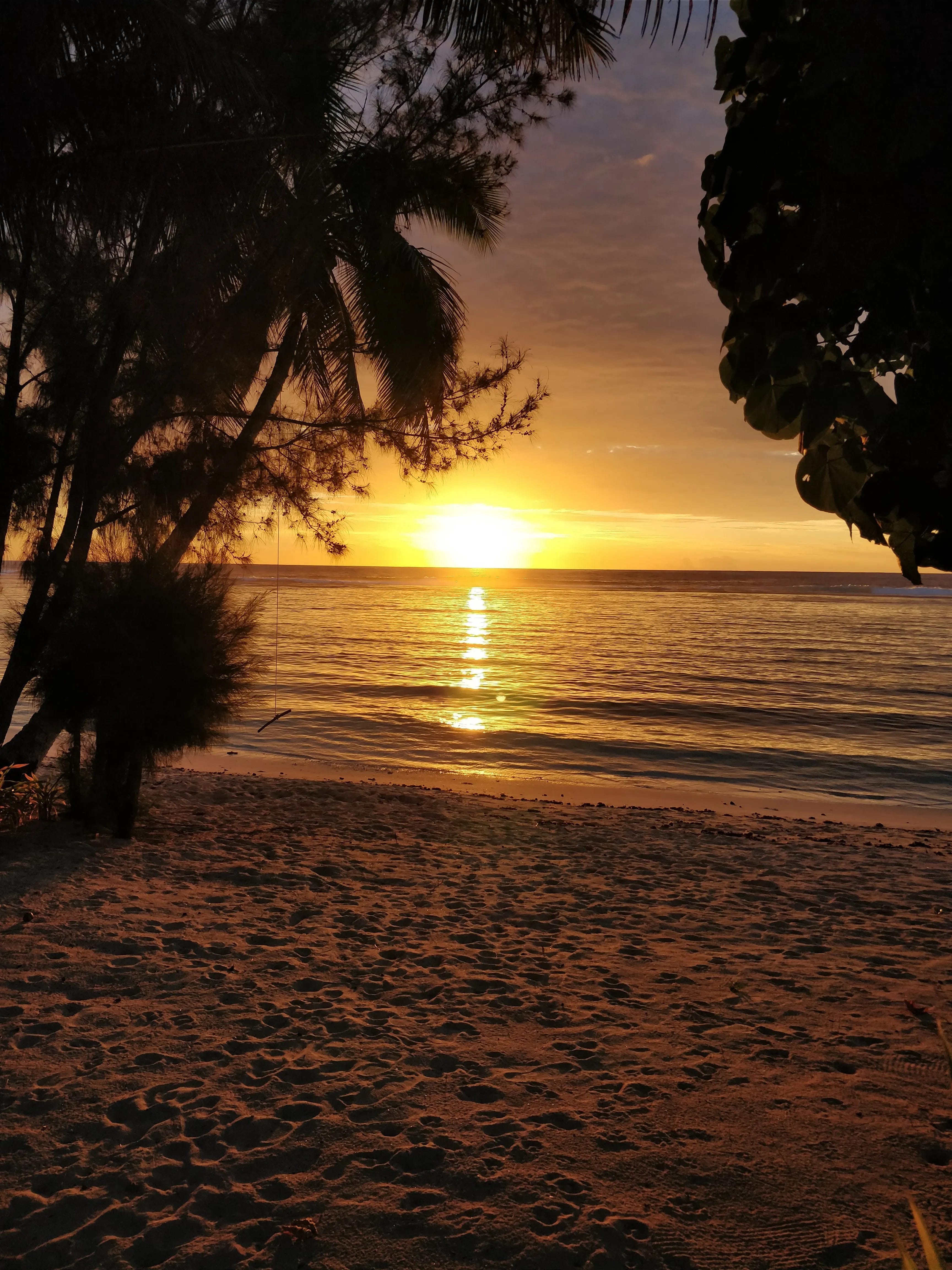
From the age of ten, I dreamed of living on a South Pacific island.
In my imagination, I lived in a small beach cottage, snorkeled in the lagoon, caught my dinner, and gathered fruit from the village trees. In the evenings, we’d watch the sunset and play guitar.
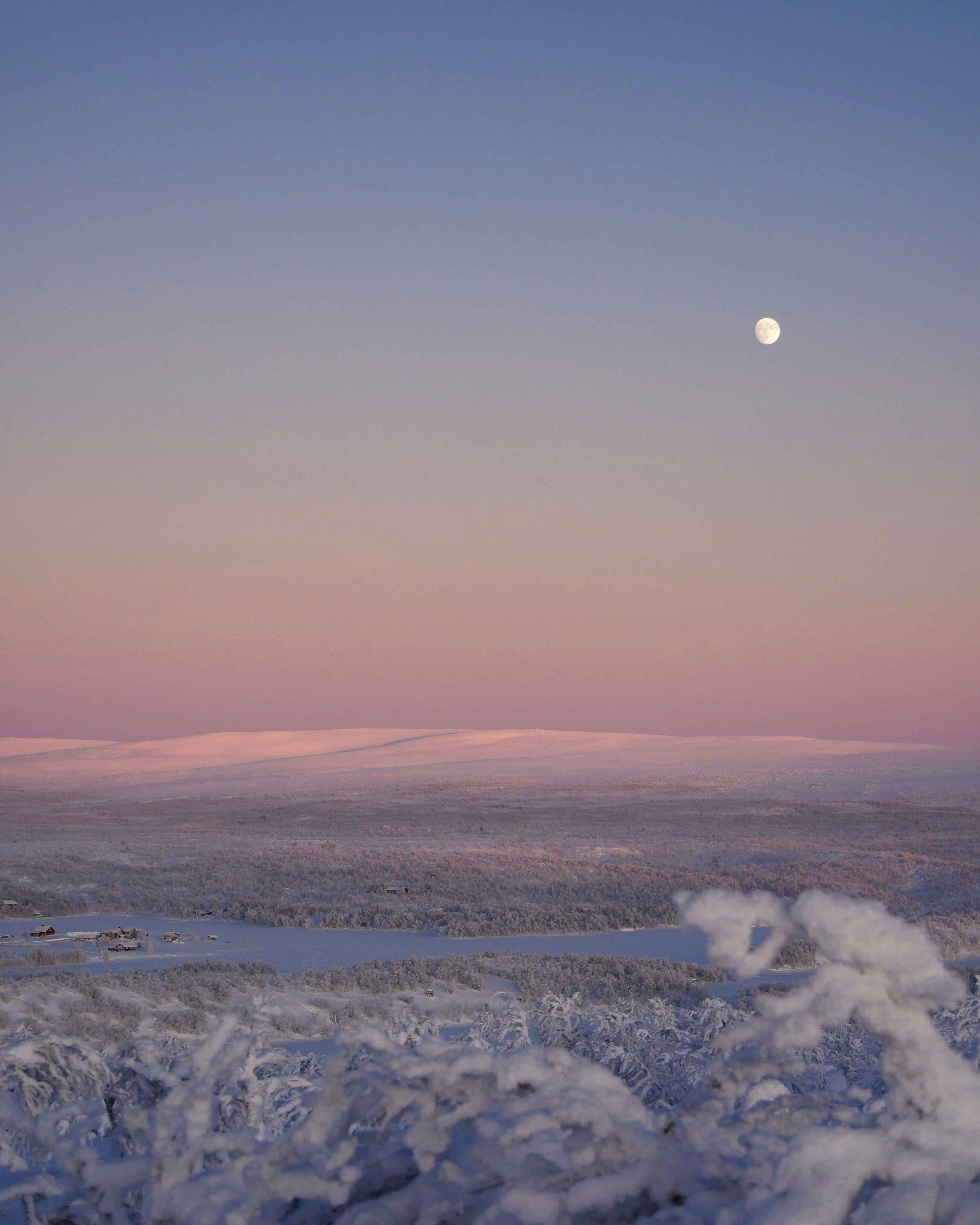
For someone growing up in Scandinavia, where winters are long and freezing, this dream of a simple, free life was irresistible.
My Dream Comes True
Years later, I finally made that dream come true.
I booked a bungalow on Rarotonga in the South Cook Islands and flew across the world to this paradise island.
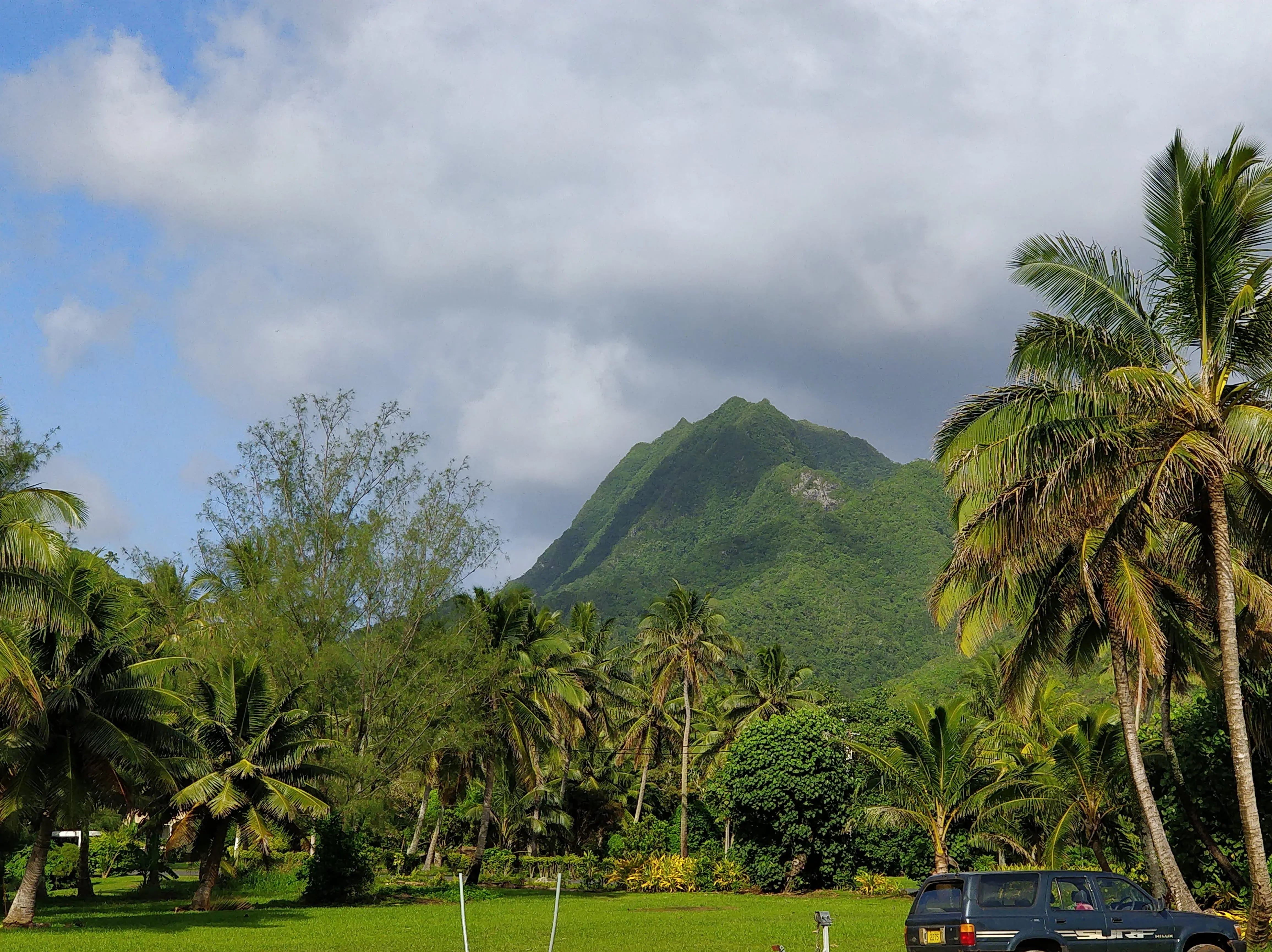
The flight arrived early in the morning, and I was overwhelmed with the sweet smell of the moist tropical air as we exited the plane.
Our host, Nooroa, picked us up from the airport and brought us to their home (name changed to protect identity). We met his mother, who greeted us and walked through the property. The simple beach bungalow was exactly what I had dreamed of.
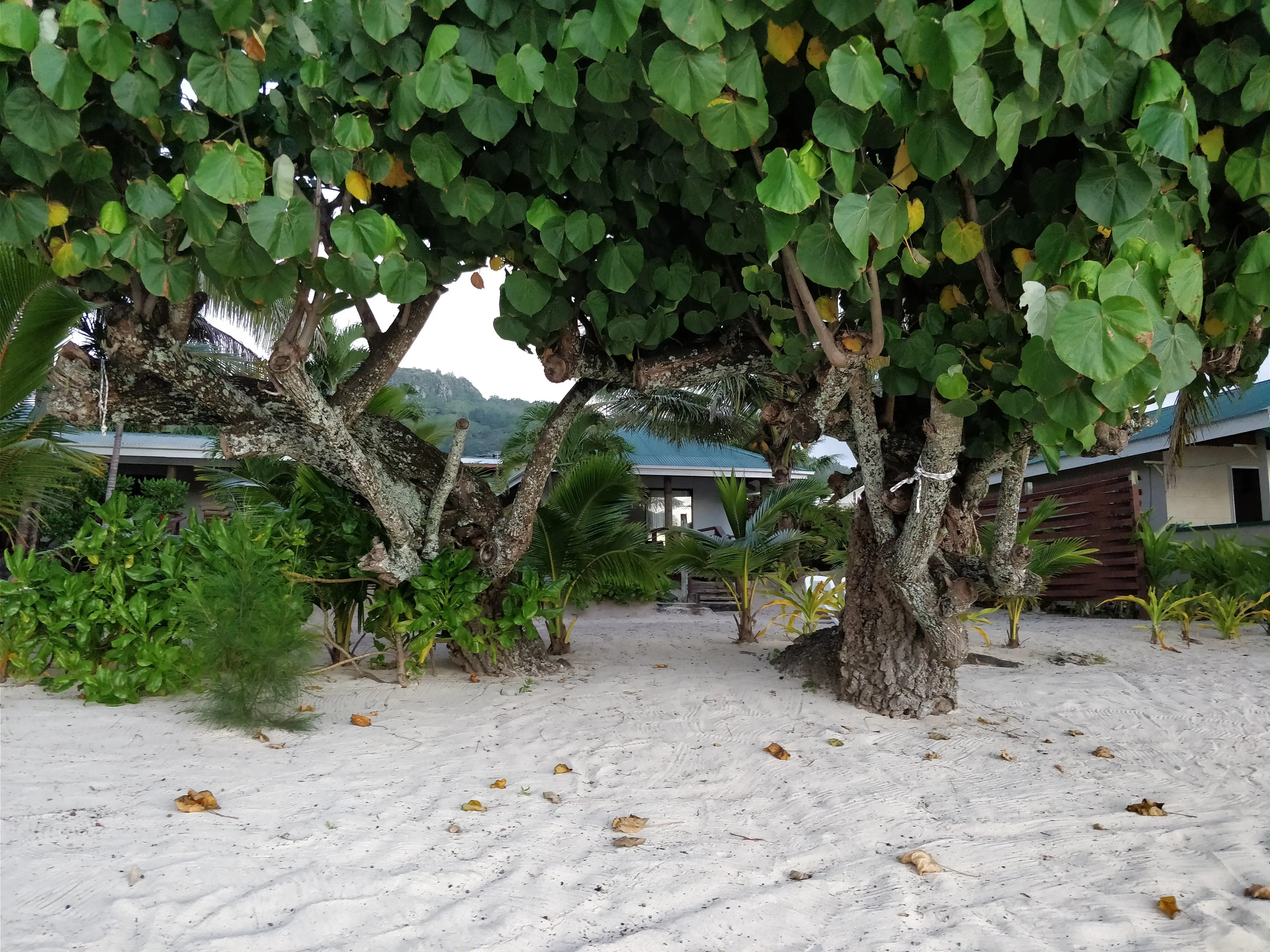
We settled in, unpacked our luggage, and went out snorkeling. The lagoon was pretty shallow, and the water was crystal clear and warm.
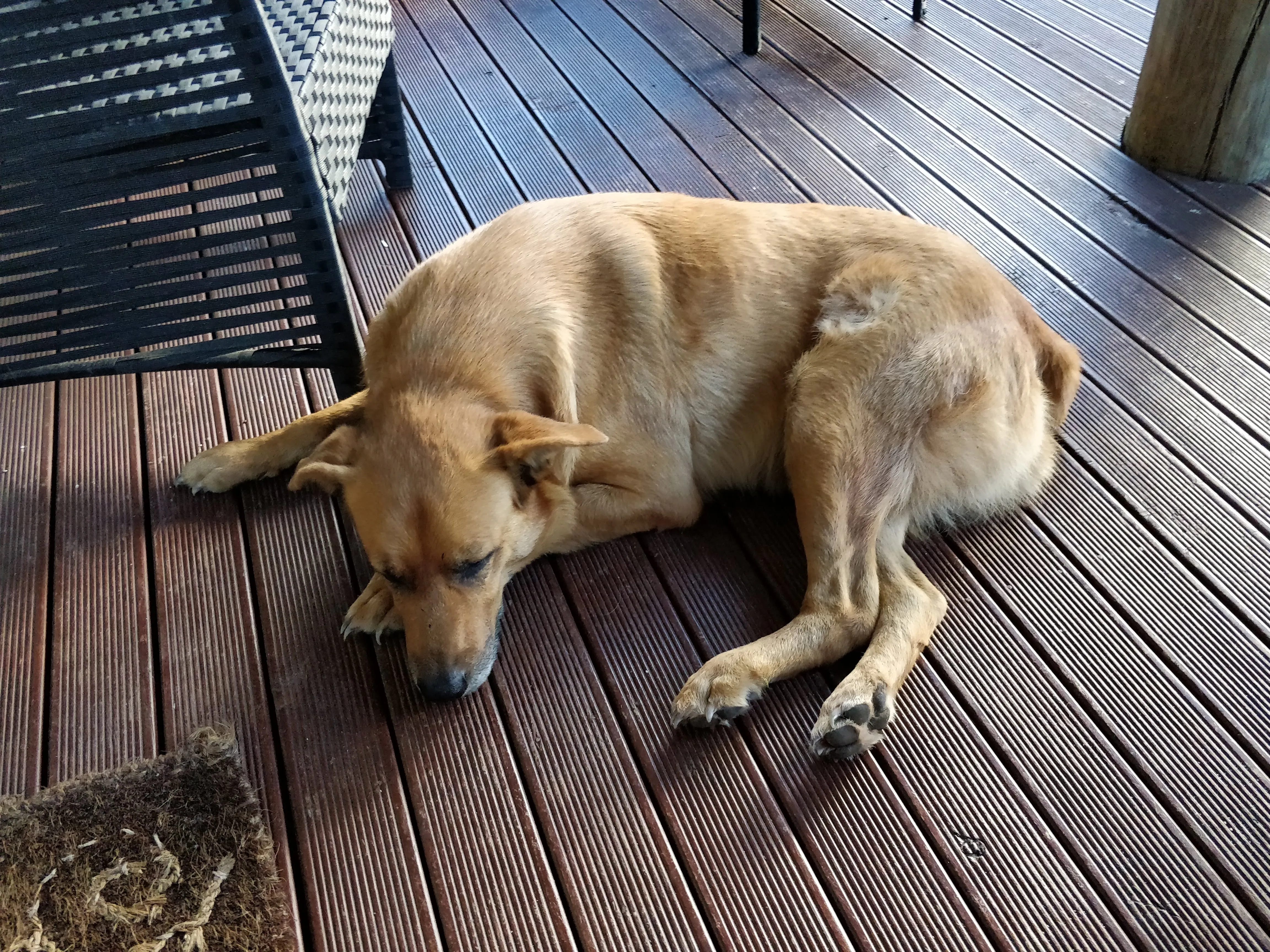
Raro is famous for its beach dogs. This friendly dog decided to spend time with us as we relaxed on the patio.
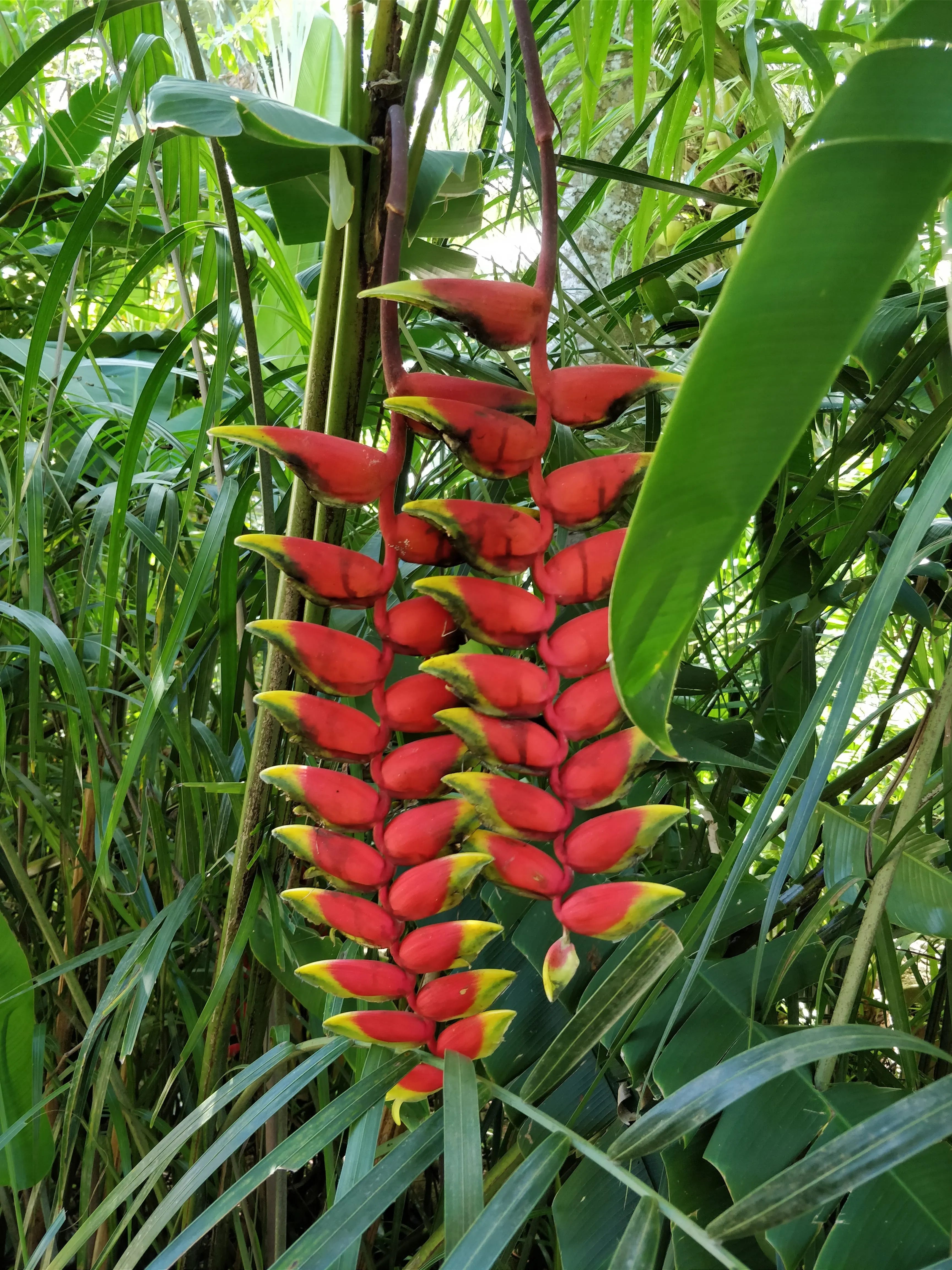
We visited Maire Nui Gardens the following day. This place has seven acres of magnificent tropical gardens with lush, cooling lily ponds and spectacular mountain views.
It’s a beautiful place to relax and chill. They have unique plants and flowers that I haven’t seen before.
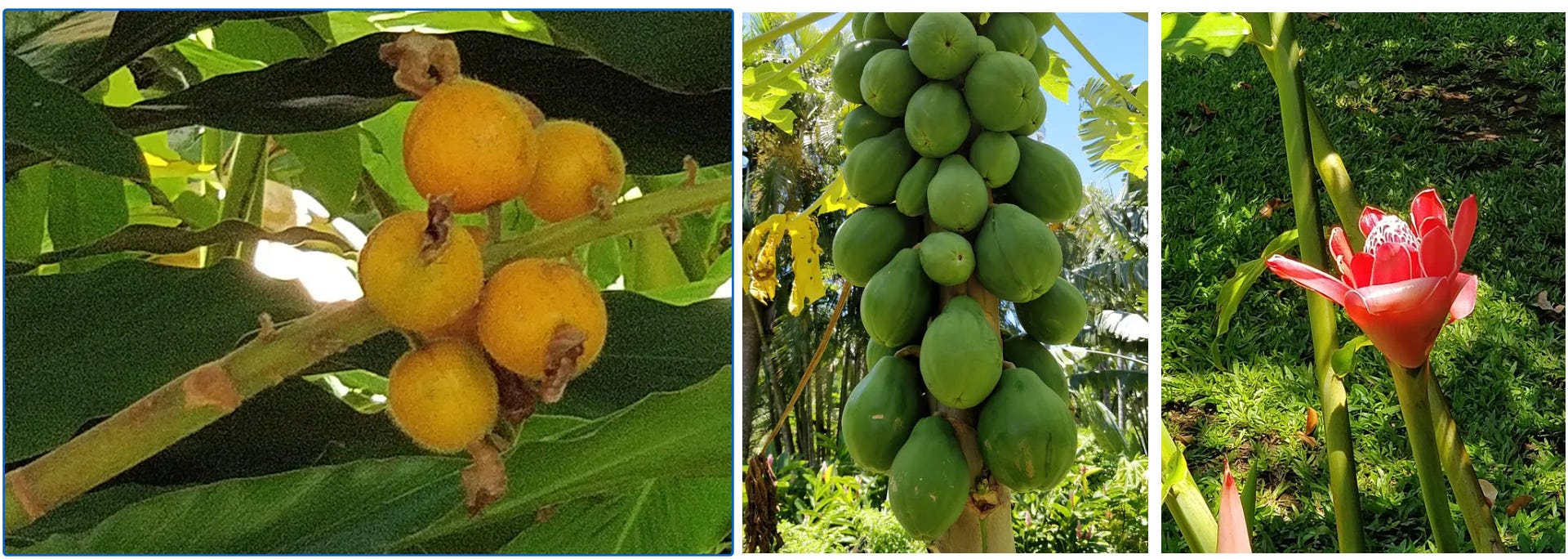
I did see even the fruits from the tropical trees I had dreamed about, like papayas and loquats. The gardens supply these fruits and other locally grown organic food to the local stores. They even have a Cafe & Grill, but it was closed the day we visited.
We bought some fruits from a local store nearby. They were so sweet and delicious.
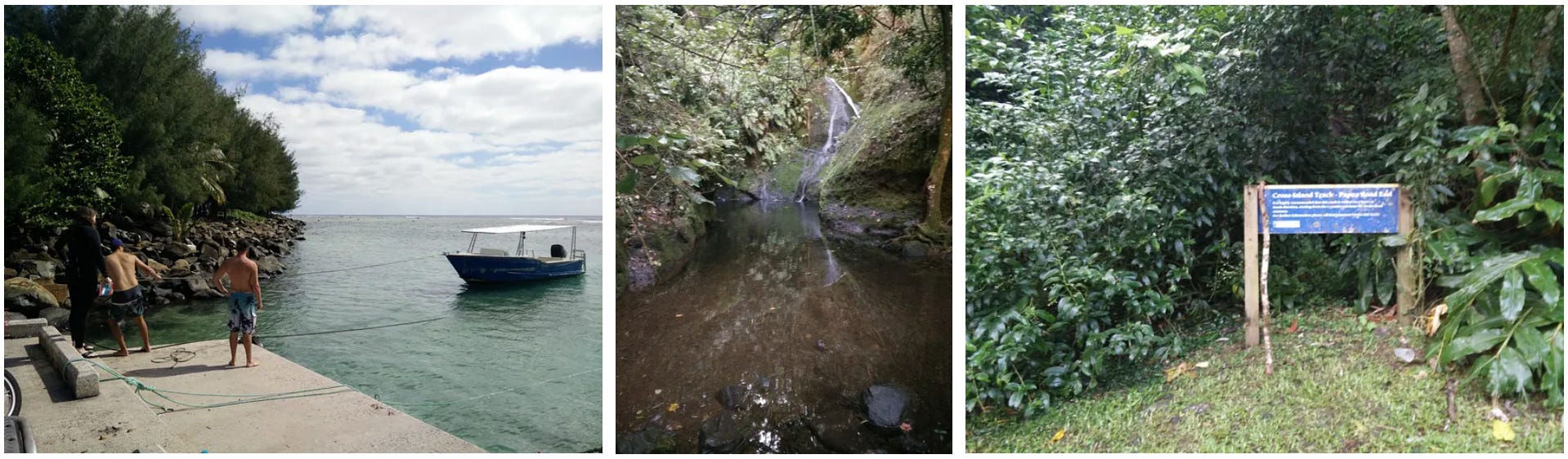
We spent our days exploring the island, walking the cross-island track, and visiting the waterfalls. We even did some scuba dives from Avarua Harbor.
As the days went by at a leisurely pace, I started writing a book. It was great to sip a cup of coffee, enjoy the morning breeze, and keep writing.
“I could spend the rest of my life here,” I thought.
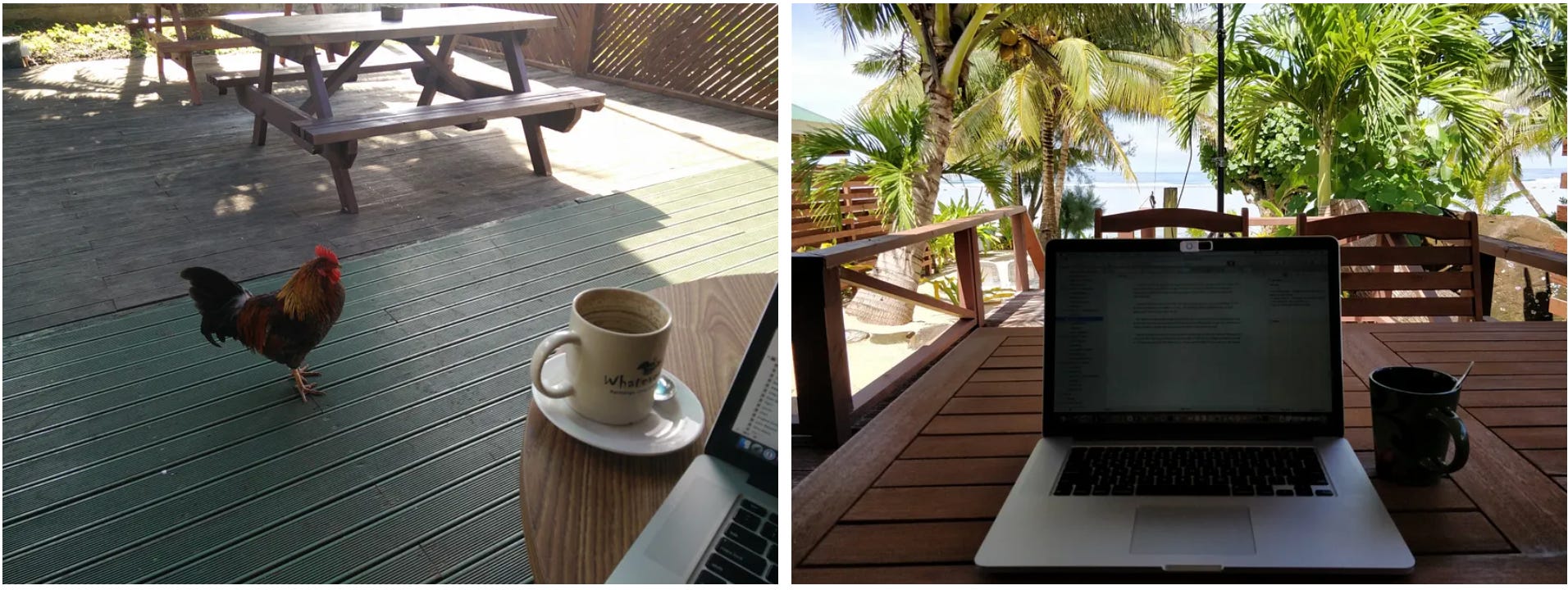
We sat at the beach to watch the sunset and listen to the ocean - a perfect end to a perfect day.
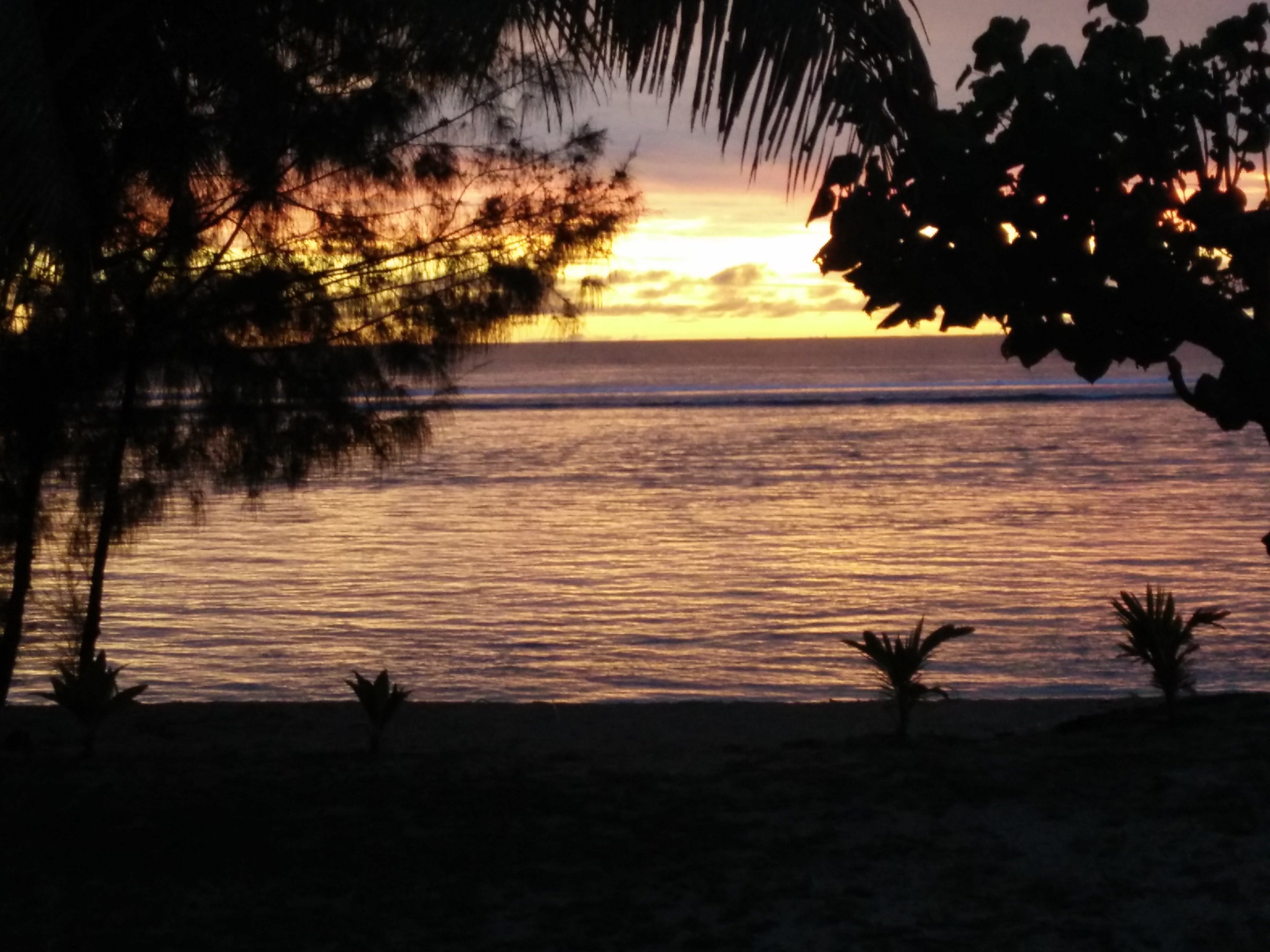
Mornings were for snorkeling and coffee—afternoons for wandering gardens, exploring waterfalls, or diving in the lagoon.
It felt like paradise.
It felt like freedom.
It felt like a dream.
Paradise Comes With a Price
Christmas was approaching. Nooroa and his siblings had arrived from New Zealand for the holidays.
Somehow, I had earned enough trust during our stay. We tried to keep their beach bungalow clean and respect their rules as guests. When I picked up food from the CITC market, I asked if I could bring anything.
I was a bit surprised when Nooroa invited us to join the family while they were all bathing and bantering on the beach. They asked about the book I was writing and about our lives.
As we were all sitting in the warm water and chatting, I asked about their lives and what they were doing for a living.
They explained that they had all moved to New Zealand for work while their Mum ran the Airbnb on the bungalows the brothers had built a few years ago. There are limited work opportunities in Rarotonga, so young people often move to New Zealand to study and work.
Nooroa’s older brother had small kids who were staying with Mum at Raro. According to Nooroa, this was quite a typical arrangement with families. Kids send money from overseas to their parents, who raise their grandkids in this tropical paradise.
Living in Rarotonga is expensive. You can buy locally grown vegetables and fruits, but most of the food is imported from New Zealand. Gasoline is costly, and many families cannot afford to have a car. Internet usage is expensive, something like $20 NZ per 5 GB when we were there.
The economy of the Cook Islands is based mainly on tourism, with minor exports made up of tropical and citrus fruit. In 2019, 170,000 people visited the Cook Islands, with a permanent population of just 17,000.
We talked about our hopes and dreams, and it was fascinating to observe that we had so much in common despite being born on opposite sides of the planet Earth.
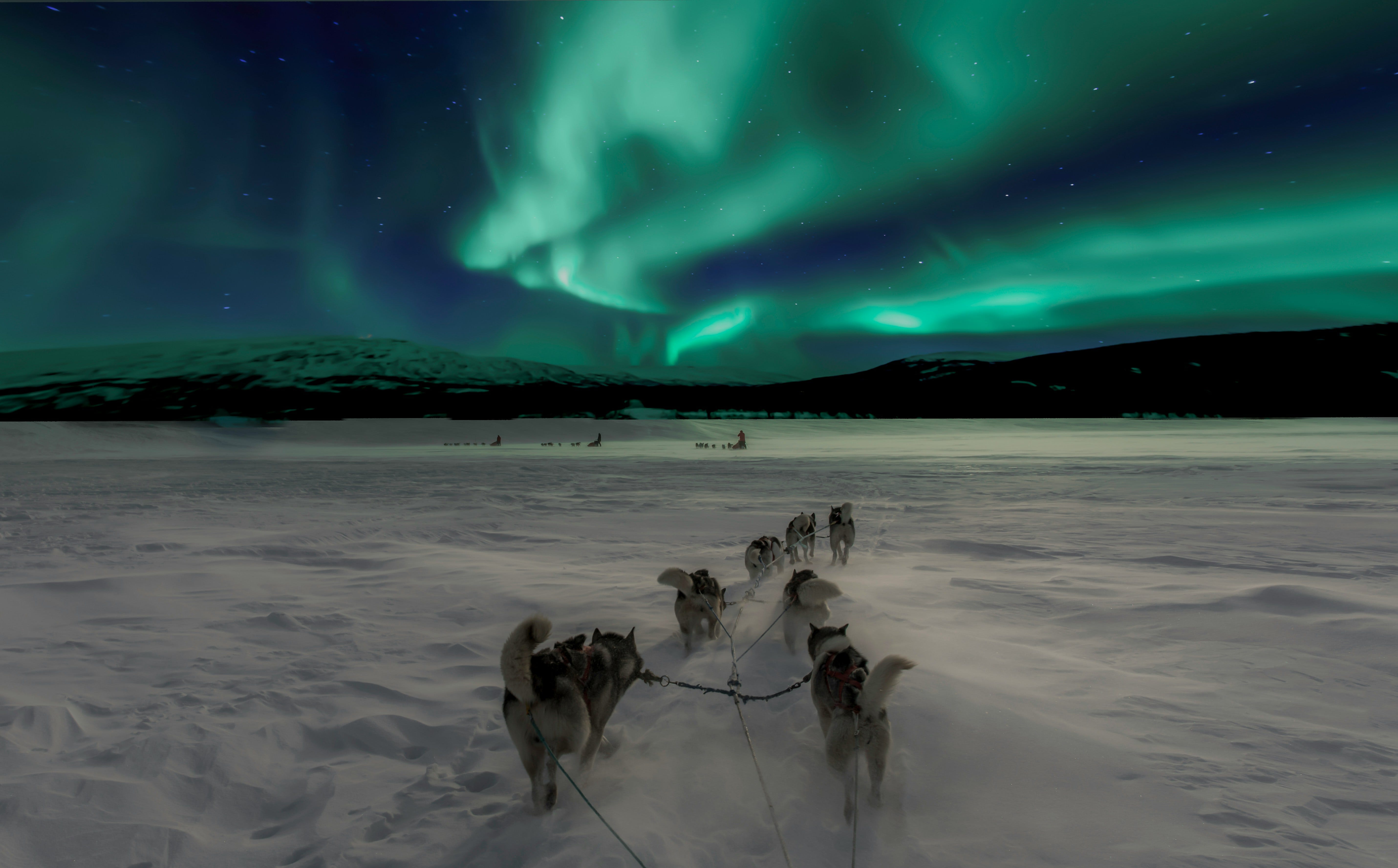
Nooroa said he would like to visit Scandinavia in the wintertime and see the Aurora Borealis. That had been his dream since he saw a movie as a kid.
The “simple life” I dreamed about was not as simple as I had imagined. Even in paradise, you still needed income to sustain it.
That was my wake-up call.
Freedom always has a price tag.
How to Live the Dream?
A few days later, I met another older gentleman in a Cafe at Avarua. He had moved to Rarotonga as a government official 40 years ago but was now retired. I talked about my dream to live on a South Pacific island and asked how he had done it.
He explained that the respective Cook Islands families own all land in the Cook Islands, which is not available under freehold titles.
“You can marry a Cook Islander,” he said, laughing. “That was how I did it.”
“Well, that is not really an option for me,” I responded, pointing to my wife, who was shopping for new flip-flops.
He mentioned that a non-Cook Islander can obtain a lease from the landowner to conduct a business, build a home, or take over an existing lease on a residential property or business. However, the process takes a long time, and you can get a visa that needs to be renewed regularly.
Substack Writers Have the Same Dream
When I talk to writers building on Substack, I hear echoes of my island dream.
They want freedom from the 9–5 grind.
They want to spend their mornings writing, not stuck in meetings.
They want income that pays for life’s essentials — coffee, internet, groceries — so they can live life on their own terms.
And just like me, they discover: the dream doesn’t come free.
Building Your Own Island of Freedom
The beauty of writing on Substack is that you don’t need to “move overseas” or strike it rich.
Every subscriber, every Note, every email builds your own little island of freedom.
Publish consistently, and your audience grows.
Offer paid subscriptions or digital products, and your side project starts paying bills.
Layer in tools, insights, and systems, and you can scale your writing into a sustainable business.
The locals in Rarotonga built bungalows and hosted visitors to sustain their lives in paradise.
Substack writers can do the same — by building newsletters that attract readers and support their creative dreams.
A Different Kind of Paradise
It took me over 40 years to find my Polynesian paradise, only to realize the true cost of living there.
For writers, Substack can become a different kind of paradise — not a tropical beach, but a creative life funded by your own words.
It’s not always simple. It’s not always fast. But it’s real, and it’s possible.
That’s why we write. That’s why we publish. That’s why we keep building.
Because somewhere inside, we’re all chasing that dream of freedom.
It is difficult even to imagine what life would be like if we didn’t need to worry about how to pay for tomorrow’s meal.
Or, in John Lennon’s words:
Imagine no possessions
I wonder if you can
No need for greed or hunger
A brotherhood of manImagine all the people
Sharing all the world
Kia Orana — may you have a long and fulfilling life, as they say in Rarotonga.
This was gorgeous writing Finn.
Thank you for sharing both the dream and the wake up call.
Kia Orana to you too
"Nothing is ever easy."
Too many versions of this quote, but the one I'm thinking of came from the Sword of Truth series.
Everyone comes for the dream.
Few stay for the journey.
Thanks for sharing your experience of this very truth, Finn!